Faces In Things: Using Everyday
Objects To Design Characters And Vehicles By Neil Blevins Created On: Oct 29th 2025 Updated On: Feb 25th 2026 Software: Any
When designing things like robots, monsters, or imaginary vehicles,
many designers get inspiration from the real world. Humans are really
good at seeing shapes and imagining what they could be, whether seeing
faces in everyday objects or finding shapes in the clouds. This lesson
will show you some examples of how you can take everyday
objects and incorporate them into your designs.
You have two choices with this lesson, watch the video below, or
read the full text.
Simple Robot Examples
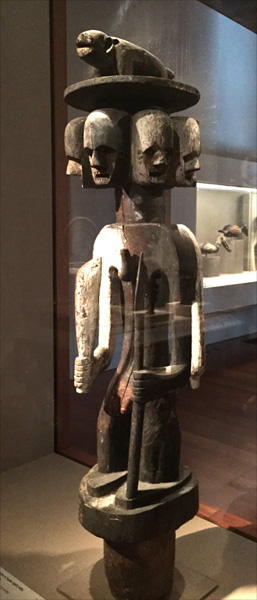
When designing a giant robot for my book "The Story Of Inc", I took
inspiration from tribal art. One statue I had always found particularly
interesting is from the De Young Museum in San Francisco. I
loved the fact it had heads on all sides and 4 arms with swords, so it
could attack in any direction. This led directly to the first Guardian
robot
in my book, he kept some of the big design ideas while changing things
like overall proportions, and he was made of bronze, like a vengeful
idol ready for battle.
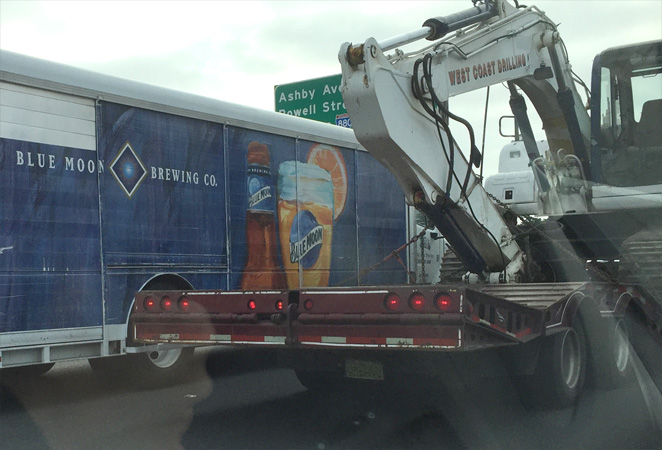
Another example, while in San Francisco, I spent way too
long stuck in traffic staring
at the brake lights on the back of the cars and trucks in front of me.
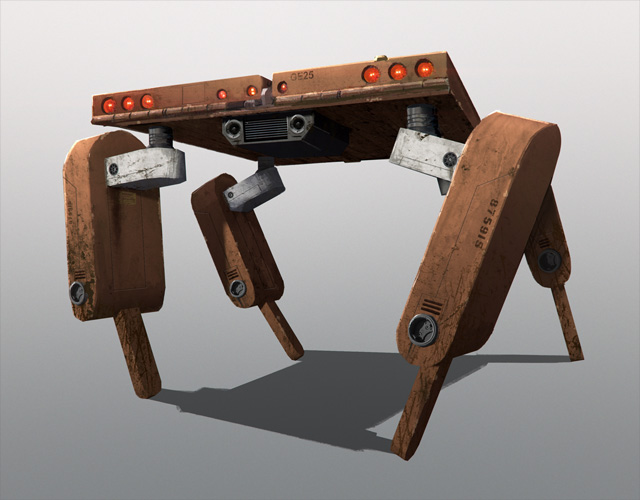
This flatbed truck ended up becoming the main eye area of a crab like
robot design.
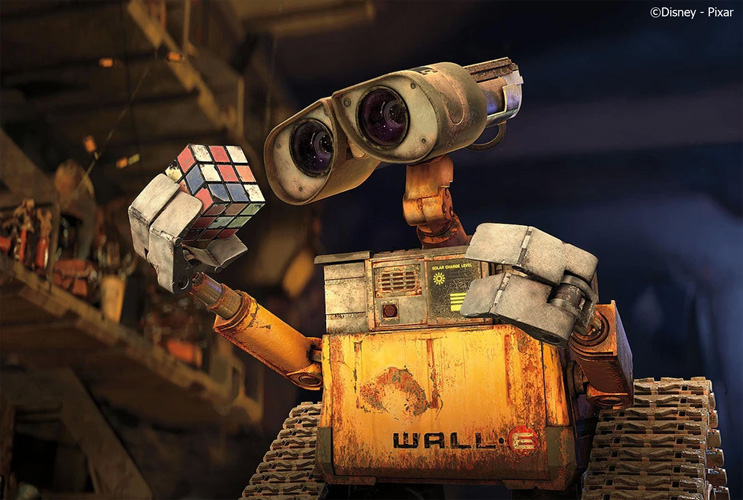
And the same technique is used in bigger projects too, including
blockbuster
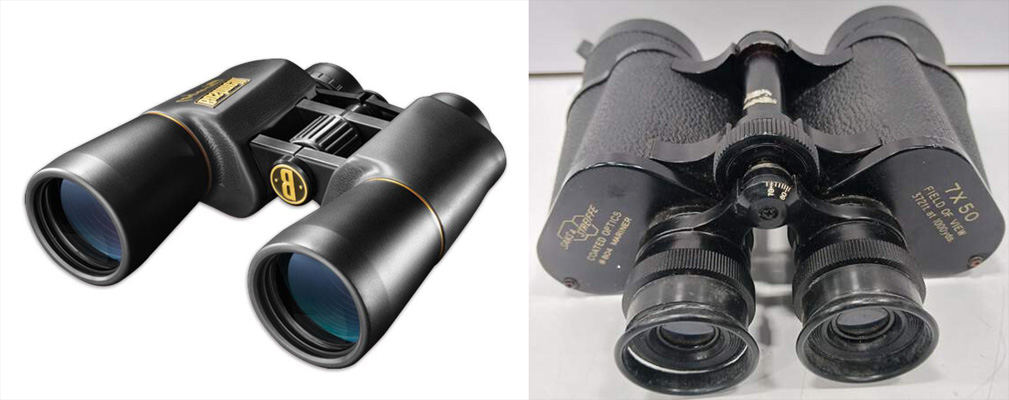
films. Wall-e from Pixar was
originally inspired by a set of binoculars that the director had...
A Few Vehicle Examples
The same can be applied to vehicles like spaceships.
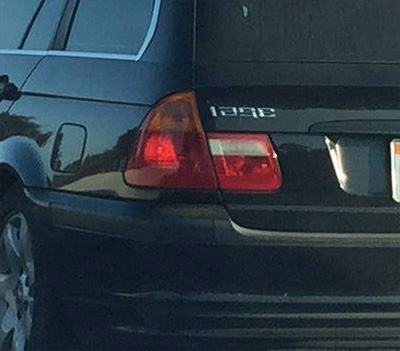
Getting back to all those years stuck in traffic, here's the photo of
another brake light.
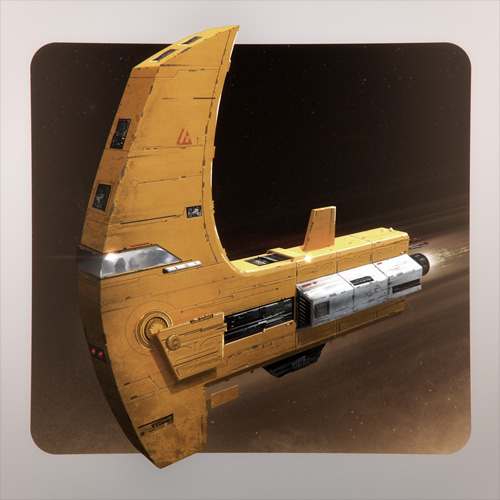
This led me to the shape of a spaceship I designed a few days later.
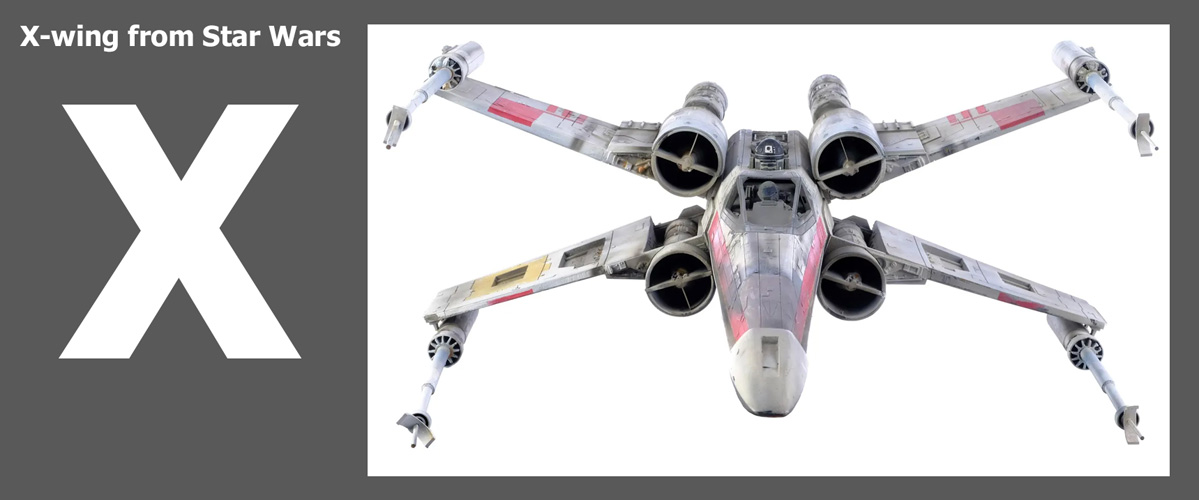
Here's a more popular example of using common shapes for a design. The
letter
X inspired the shape and the name of Star Wars' X-wing fighter.
And why stick to just the roman alphabet? Here's concept artist Sheng
Lam using Chinese characters to create spaceships.
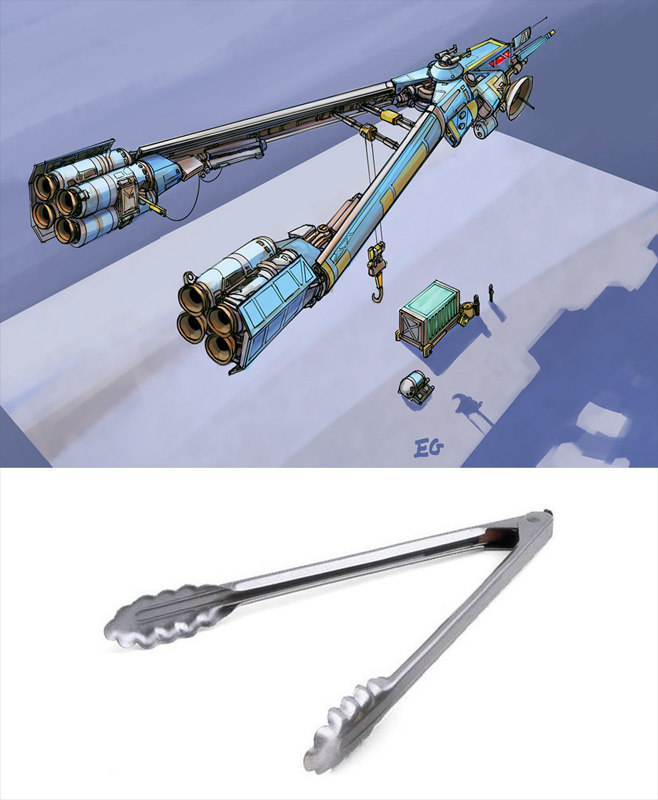
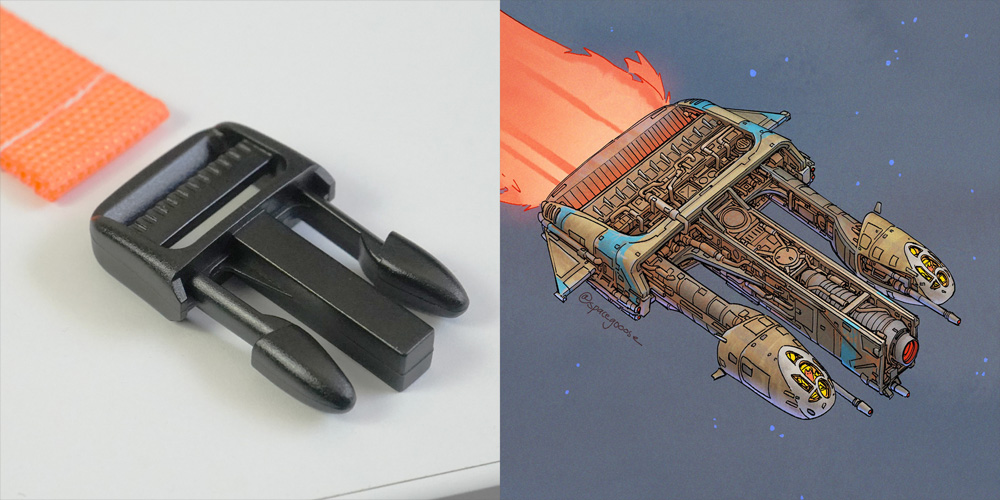
In the same category, artist Eric Geusz became pretty well known on the
internet making spaceship illustrations of everyday objects...
Faces In Inanimate Objects
Back to robots, human beings ability to see patterns was originally a
survival technique, it
helped us avoid getting
eaten by tigers hidden in the grass thousands of years ago. But now we
can use
this ability to discover surprising designs in random patterns.
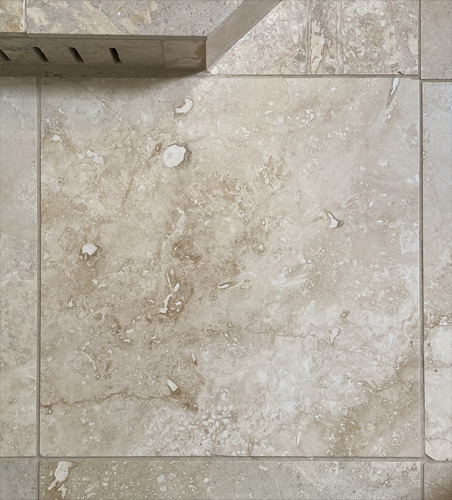
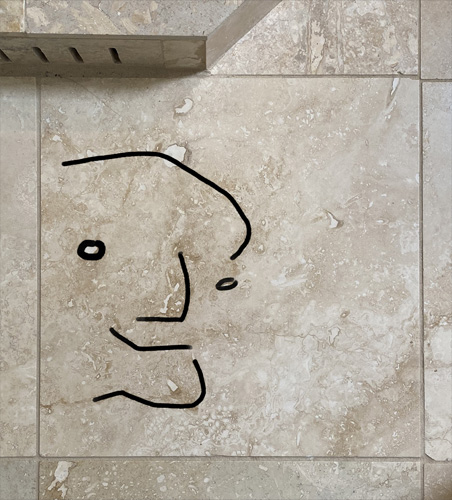
Here's a tile in my bathroom which I stare at quite a bit. After so
much staring, you're bound to see faces that aren't there...
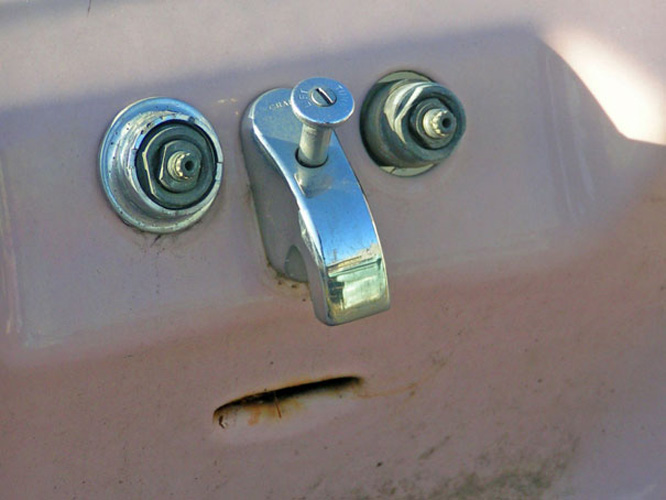
Some faces in inanimate objects are more obvious. Here's a concerned
bathtub, eyes nose and mouth.
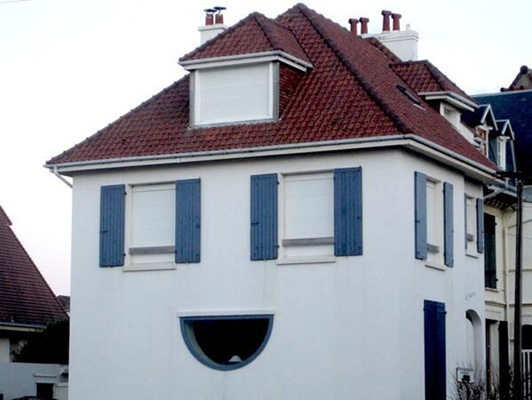
And here's a happy house...
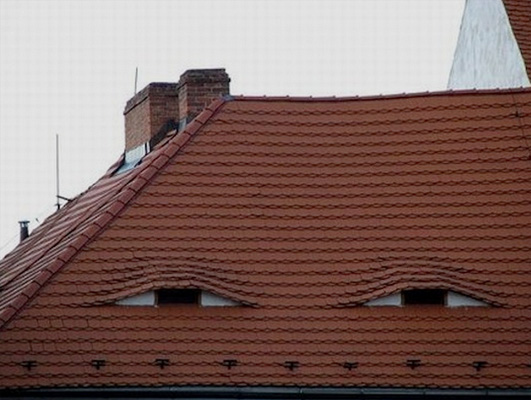
A sneaky house...
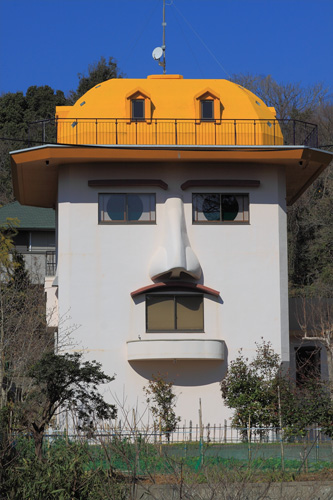
And a house with a mustache and hat...
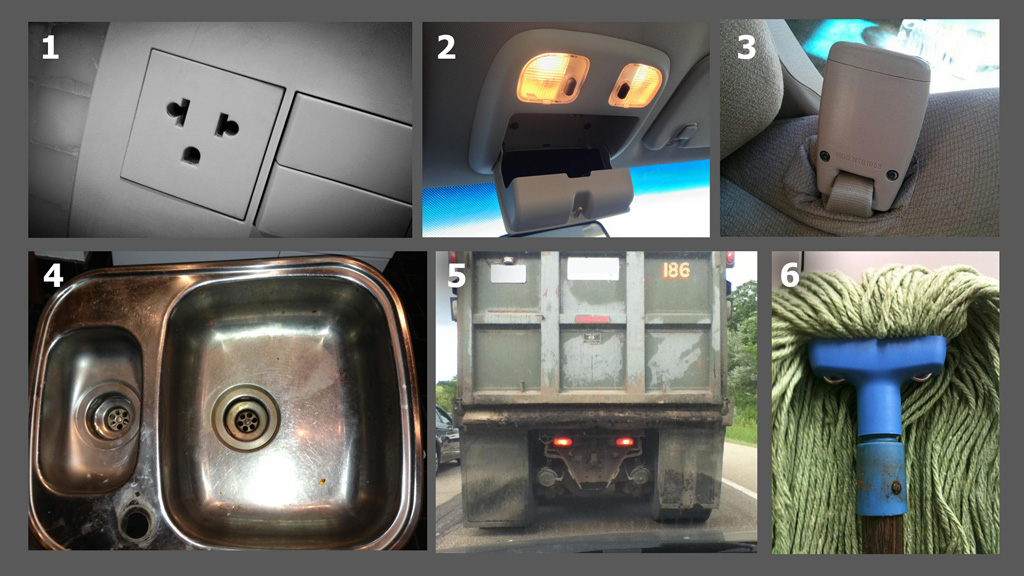
Here's an exercise I sometimes give students, 6 photographs from the
internet of everyday objects that suggest faces. I ask the students to
design a robot using these faces as reference, it's amazing the types
of results you can get.
Conclusion
So next time you need to design a robot or vehicle and are stumped, try
walking
around your environment and find everyday objects you can adapt. Take
photographs and see how they can be transformed into designs. People
will think you're a design genius, but the real trick is just being
observant.